30 Juni 2026
Ubud White Water Rafting: Ayung River Adventure Guide
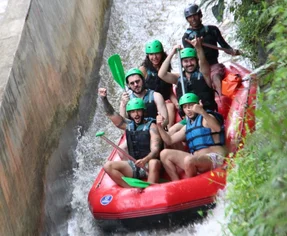
Ubud white water rafting is a premier adventure tourism activity in Bali, offering exhilarating journeys down the Ayung River amidst lush tropical rainforests and stunning natural landscapes. This popular experience provides both thrill-seekers and nature lovers with a unique perspective of Ubud's natural beauty and cultural heritage, featuring professional guides and varying rapid levels suitable for most adventurers.
Definition and Context of Ubud White Water Rafting
White water rafting in Ubud primarily takes place along the Ayung River, Bali’s longest river, renowned for its relatively calm sections interspersed with exciting Class II-III rapids. This classification, according to international rafting standards, indicates suitability for most participants, including families, providing a balance of adventure and scenic beauty. The activity typically involves navigating inflatable rafts through river currents, guided by experienced professionals. Beyond the adrenaline, participants witness ancient rock carvings, cascading waterfalls, and vibrant flora and fauna endemic to Bali's central highlands, contributing significantly to Ubud's appeal as an eco-tourism destination. The geographical characteristics of the Ayung River basin, with its consistent water flow and accessible entry points, make it an ideal location for this adventure sport, supporting a robust tourism ecosystem.
Key Factors Contributing to Ubud's Rafting Popularity
Several factors underpin the sustained popularity of white water rafting in Ubud. Firstly, the Ayung River's natural attributes, including its scenic canyon, accessible rapids, and consistent water levels throughout much of the year, make it an ideal location. Secondly, robust infrastructure development, including numerous tour operators providing high-quality equipment, professional guides, and convenient transportation from major tourist hubs, enhances visitor experience. Regulatory oversight, primarily from the Ministry of Tourism and Creative Economy (Kemenparekraf), ensures certain safety standards and operational protocols are met by licensed operators. Moreover, Ubud's established reputation as a cultural and wellness hub attracts a diverse demographic, seeking a blend of relaxation and adventure. The availability of diverse tour packages catering to different budgets and preferences further solidifies its position as a top rafting destination in Southeast Asia.
Economic, Social, and Environmental Implications of Rafting Tourism
The growth of Ubud white water rafting has profound implications across various sectors. Economically, it generates significant revenue through tour sales, local employment (guides, drivers, restaurant staff), and supporting industries like accommodation and handicraft sales. A 2022 report by the Indonesian Central Bureau of Statistics (BPS) indicated a steady recovery in adventure tourism, directly benefiting local economies in Bali. Socially, it fosters community engagement, though careful management is needed to avoid potential cultural commodification or displacement. Environmentally, the impact is a critical concern; managing carrying capacity and waste is vital for sustainable tourism. Uncontrolled development could lead to ecological degradation, impacting river biodiversity and water quality. Regulations from local environmental agencies and initiatives by organizations like the UN World Tourism Organization (UNWTO) promote sustainable practices, emphasizing responsible tourism to preserve Bali's natural assets.
Strategies for Sustainable Ubud White Water Rafting
To ensure the long-term viability and positive impact of white water rafting in Ubud, several strategic solutions are being implemented and recommended:
- Enhanced Safety Protocols: Adherence to international safety standards, regular equipment checks, and mandatory certification for all rafting guides, as enforced by local tourism authorities.
- Ecotourism Certification: Promoting operators to obtain ecotourism certifications (e.g., Green Globe, EarthCheck) to demonstrate commitment to environmental protection and responsible practices.
- Community-Based Tourism: Integrating local communities more deeply into the tourism value chain, ensuring fair distribution of economic benefits and preserving cultural integrity.
- Waste Management Initiatives: Implementing robust waste collection and recycling programs along the riverbanks and at rafting facilities to minimize environmental pollution.
A comparison of operator offerings often highlights differences in safety equipment and guide-to-guest ratios, crucial for consumer choice and safety assurance.
| Aspect | Standard Operators | Certified Ecotour Operators |
|---|---|---|
| Guide Certification | Basic local training | International rescue & first-aid |
| Equipment Standards | Meets minimum local safety | Exceeds international safety (e.g., ISO) |
| Environmental Program | Limited waste disposal | Active river clean-ups, educational tours |
| Community Engagement | Basic employment | Fair trade, cultural preservation initiatives |
Emerging Trends and Future Outlook for Ayung River Rafting
Recent trends in Ubud white water rafting include an increased demand for sustainable and responsible tourism experiences, with tourists actively seeking operators with transparent environmental policies. Post-pandemic recovery has seen a surge in interest for outdoor adventure activities, aligning with global wellness tourism trends. Predictions from the Ministry of Tourism and Creative Economy (Kemenparekraf) suggest continued growth, particularly from younger demographics and international markets seeking authentic cultural and natural experiences. Future developments may include technology integration, such as augmented reality historical tours along the river, or enhanced booking systems that facilitate real-time capacity management to prevent overcrowding and ensure optimal visitor flow, crucial for maintaining the carrying capacity of the Ayung River ecosystem.
"The future of Bali's adventure tourism, particularly river rafting, hinges on our collective commitment to sustainability and safety. By upholding stringent environmental standards and fostering genuine community involvement, we can ensure these natural wonders remain vibrant for generations to come." – Dr. I Gede Pitana, Former Deputy Minister for International Marketing, Kemenparekraf (2014-2019).
Conclusion: Embracing the Adventure of Ubud White Water Rafting Responsibly
Ubud white water rafting on the Ayung River offers an unparalleled blend of adventure, natural beauty, and cultural immersion, solidifying its status as a must-do Bali experience. As this sector continues to evolve, the emphasis on sustainable practices, rigorous safety standards, and community empowerment will be paramount. Visitors are encouraged to choose certified operators committed to ethical tourism, ensuring that their thrilling adventure contributes positively to the preservation of Bali's unique environment and local livelihoods. Embrace the rapids, but do so with a conscious mind towards preserving the magic of Ubud white water rafting for all.
Recommended for You
Other Articles
Bali ATV Ride & Mount Batur Sunrise Jeep Tour: The Ultimate Adventure Guide
Bali ATV Ride and Mount Batur Jeep Sunrise is an exhilarating adventure package combining the thrill of off-road ATV exp...
Read More
Ubud ATV and Water Sports Combo: Ultimate Bali Adventure
Ubud ATV and Water Sports Combo is an exhilarating package offering adventurous ATV rides through Ubud's scenic landscap...
Read More
Ubud ATV Quad Bike Tour: Thrilling Bali Adventure & Cultural Immersion
Ubud ATV Quad Bike Tour is an exhilarating adventure package combining thrilling off-road quad biking through diverse te...
Read More