12 Juni 2026
Ubud Water Rafting: Bali's Premier Adventure Experience
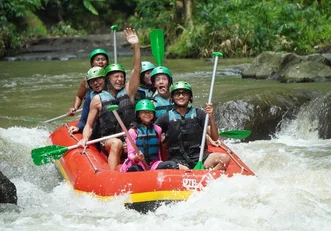
Ubud Water Rafting is a highly popular white-water rafting experience primarily conducted on Bali's Ayung River, offering a blend of moderate excitement and stunning natural scenery. It features Class II-III rapids suitable for most skill levels, and typically spans a 10-12 kilometer route lasting 1.5 to 2.5 hours, guided by professionals.
Definition and Context of Ubud Water Rafting
Ubud Water Rafting refers to the exhilarating activity of navigating the Ayung River, Bali's longest river, using inflatable rafts. Located approximately 5 kilometers from central Ubud, this adventure allows participants to immerse themselves in the island's vibrant rainforests, cascading waterfalls, and intricate rock carvings depicting the Ramayana epic. The Ayung River is predominantly characterized by Grade II-III rapids, which are considered beginner-friendly and offer an ideal balance of thrill and accessibility for families and first-time rafters.
Primary Factors Driving Ubud Water Rafting Popularity
The sustained popularity of Ubud Water Rafting stems from several key factors. Firstly, the Ayung River's accessible Grade II-III rapids make it suitable for a wide demographic, including children aged 6 and up and adults up to 65. Secondly, its picturesque environment, featuring lush jungle, rice fields, and opportunities to spot wildlife like the Blue Javan Kingfisher, enhances the overall experience, transforming a simple adventure into a scenic journey. Furthermore, a well-established infrastructure of reputable operators ensures professional guiding, high safety standards, and convenient logistics, contributing to its appeal as a safe and enjoyable Ubud adventure tour.
Impacts and Implications
The growth of Ubud Water Rafting has significant economic, social, environmental, business, and regulatory implications. Economically, it generates substantial revenue and provides employment opportunities for local communities, including professional river guides and support staff. Socially, it fosters cultural exchange and community engagement, though rapid tourism growth can sometimes lead to changes in social structures. Environmentally, while attracting visitors to natural landscapes, it necessitates strict adherence to sustainable practices to mitigate potential impacts such as waste generation and ecosystem disturbance. Business-wise, intense competition among operators can affect service quality and safety standards if price-cutting compromises operational integrity. From a regulatory perspective, institutions like Indonesia's Ministry of Tourism and Creative Economy (Kemenparekraf) play a crucial role in establishing and enforcing safety protocols, such as CHSE (Cleanliness, Health, Safety, and Environmental Sustainability) guidelines, to ensure responsible tourism development.
Solutions and Strategies for Sustainable Rafting
To ensure the long-term sustainability and quality of Ubud Water Rafting, a multi-faceted approach involving strategic solutions is essential. This includes enhancing safety protocols, promoting eco-friendly practices, and fostering community benefits.
- Standardized Safety Training: All guides must undergo regular certification and adhere to global white-water safety standards and Standard Operating Procedures (SOPs), as advocated by organizations like the International Rafting Federation.
- Environmental Stewardship: Operators should implement zero-waste policies, utilize reusable equipment, and participate in river clean-up initiatives. Visitors should be educated on minimizing their ecological footprint.
- Community-Based Tourism: Prioritizing local employment, fair wages, and sourcing local goods and services can directly benefit the communities surrounding the Ayung River, aligning with Bali's Tri Hita Karana philosophy.
- Regulatory Oversight: Kemenparekraf and local tourism boards must consistently audit operators for compliance with safety, health, and environmental regulations to maintain industry standards.
Rafting River Comparison (Ayung vs. Telaga Waja)
| Feature | Ayung River (Ubud) | Telaga Waja River (Karangasem) |
|---|---|---|
| Rapid Grade | Class II-III | Class III-IV |
| Length | ~10-12 km | ~16 km |
| Duration | 1.5 - 2.5 hours | 2.5 - 3 hours |
| Scenery | Lush jungle, rice terraces, carvings | Volcanic landscapes, rice fields, steeper drops |
| Suitability | Beginner, families | Intermediate, more adventurous |
Trends, Case Studies, and Future Predictions
Recent trends in Bali's tourism indicate a strong recovery post-pandemic, with Kemenparekraf reporting 2.89 million international tourists from January to July 2023, a significant increase from 2022. This rebound suggests a growing demand for adventure tourism like Ubud Water Rafting. The United Nations World Tourism Organization (UNWTO) has consistently emphasized sustainable tourism, recognizing villages like Jatiluwih in Bali for their commitment to cultural preservation and environmental responsibility. This aligns with a broader shift towards eco-tourism and regenerative travel, where visitors seek experiences that actively contribute positively to the environment and local communities. Future predictions suggest continued growth in adventure tourism, with an increased focus on certified sustainable operators and the integration of digital booking platforms for enhanced visitor experience and safety monitoring. Operators pioneering these advancements, much like Nigel Mason did in the early 90s, will lead the industry forward.
“Sustainable tourism takes full account of its current and future economic, social and environmental impacts, addressing the needs of visitors, the industry, the environment and host communities.” — UNWTO & UNEP, 2005.
Conclusion
Ubud Water Rafting on the Ayung River remains a quintessential Bali adventure, offering an accessible yet thrilling experience through stunning natural and cultural landscapes. Its continued success hinges on robust safety measures, a deep commitment to environmental preservation, and strong community engagement. By choosing certified operators who adhere to established regulations and prioritize sustainable practices, visitors can contribute to the responsible growth of this vital sector. Embrace the excitement and beauty of Ubud Water Rafting, ensuring your adventure supports Bali’s natural heritage for generations to come.
Recommended for You
Other Articles
Bali ATV Ride & Mount Batur Sunrise Jeep Tour: The Ultimate Adventure Guide
Bali ATV Ride and Mount Batur Jeep Sunrise is an exhilarating adventure package combining the thrill of off-road ATV exp...
Read More
Ubud ATV and Water Sports Combo: Ultimate Bali Adventure
Ubud ATV and Water Sports Combo is an exhilarating package offering adventurous ATV rides through Ubud's scenic landscap...
Read More
Ubud ATV Quad Bike Tour: Thrilling Bali Adventure & Cultural Immersion
Ubud ATV Quad Bike Tour is an exhilarating adventure package combining thrilling off-road quad biking through diverse te...
Read More